How to Body Clock Balance: Beginner’s Guide to Circadian Health
Learn how body clock balance influences travel, sleep, and wellbeing. A beginner-friendly guide from Chronocation.com.
 Chronos
How to Body Clock Balance: A Beginner-Friendly Guide
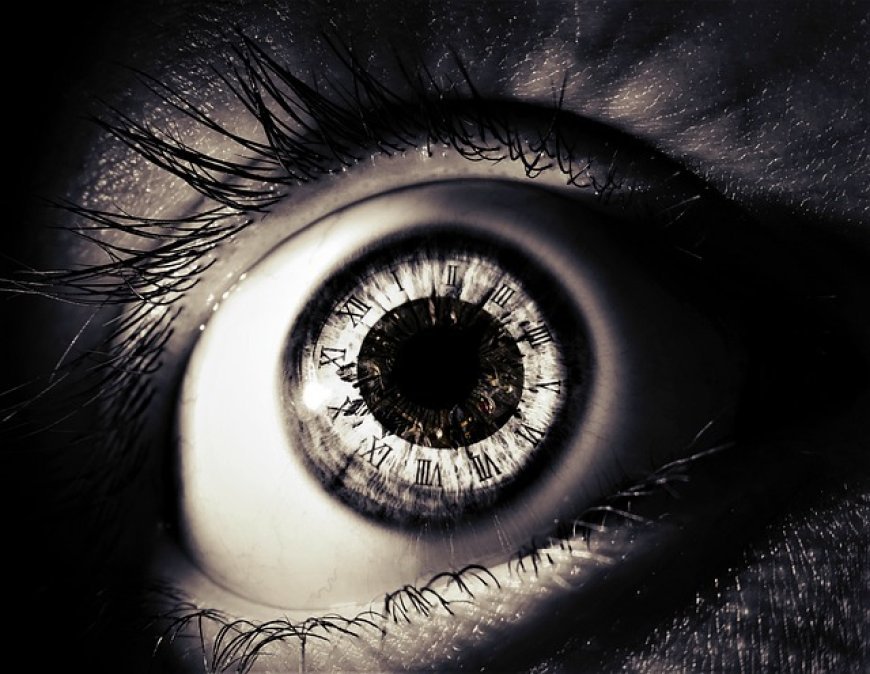
Your body has a clock. Actually, several. And when they’re out of sync, everything from your sleep to your mood to your digestion can go sideways. The good news? You can learn how to body clock balance—without expensive tech or rigid routines.
This guide breaks down what body clock balance actually means, why travel throws it off, and how to start resetting your rhythm in a way that fits real life.
What Is Body Clock Balance?
The Basics of Circadian Rhythm
Your circadian rhythm is your body’s internal 24-hour clock, managing sleep, energy, digestion, and more. It’s not just one clock—your brain’s suprachiasmatic nucleus sets the master timer, but your organs run on their own schedules, too.
Why It Matters for Daily Life and Travel
Disrupted circadian rhythms lead to poor sleep, low energy, irritability, and gut issues. You don’t have to fly across the world to knock your rhythm off balance—late nights, irregular meals, and even social jet lag can do it.
How Travel Disrupts Your Body Clock
Jet Lag Isn’t Just About Time Zones
Jet lag is the classic example—but the problem isn't just the new timezone. It’s your internal rhythm being out of sync with the local environment.
Flight Schedules, Light Exposure, and Social Timing
Red-eye flights, bright cabin lights, skipped meals, or landing in the dark? All of that confuses your body clock. So does adapting to a new meal or sleep schedule just to “fit in” with the local time.
The Chronocation Approach to Resetting
What Makes a Chronocation Different?
A chronocation is a trip designed to help you ignore the clock, reset your internal rhythm, and follow your body’s cues. No alarms. No packed itineraries.
Listening to Natural Cues, Not Alarms
This means sleeping when you’re tired, eating when hungry, and spending time in natural light. It’s travel designed for recovery and realignment.
Learn more about the chronocation philosophy at Chronocation.com →
Beginner Tips: How to Body Clock Balance Naturally
Light Exposure as a Body Clock Lever
- Get outside within 1 hour of waking.
- Avoid bright light 1–2 hours before bed.
Meal Timing and Rhythm Syncing
- Eat meals at consistent times.
- Avoid heavy meals right before bed.
Movement and Rest: When to Lean In or Slow Down
- Move in the morning, stretch in the evening.
- Rest when your body signals—not just when your calendar says so.
Screen Habits That Mess With Your Rhythm
- Limit screen time at least 30 minutes before sleep.
- Use blue light filters or glasses if needed.
Sample Routine for a Balanced Body Clock
A Flexible 24-Hour Example
- Wake when naturally alert
- Morning: light walk, breakfast, sunlight
- Midday: main meal, active period
- Afternoon: rest or light activity
- Evening: dim lights, light dinner, wind-down
- Sleep: no screens, no alarms, just rest
Adapting This at Home vs. During Travel
At home, aim for consistency. On a trip, especially a chronocation, give yourself permission to reset entirely.
What Not to Do When Balancing Your Body Clock
Common Mistakes to Avoid
- Using melatonin like a sleeping pill
- Over-caffeinating to stay awake
- Sleeping in too long after a bad night
- Skipping meals to “fast through” jet lag
When to Seek Medical Advice
If you consistently struggle with sleep or rhythm issues despite lifestyle adjustments, consult a sleep specialist.
Summary and Next Steps
Balancing your body clock isn’t about strict schedules—it’s about tuning into your body’s natural signals. Whether you're traveling, recovering from jet lag, or just trying to sleep better, small changes in light, food, and habits can make a big difference.