Why Slow Travel and Circadian Rhythm Go Hand in Hand
Learn how circadian rhythm influences travel, sleep, and wellbeing. A beginner-friendly guide from Chronocation.com.
 Chronos
Why Slow Travel and Circadian Rhythm Go Hand in Hand
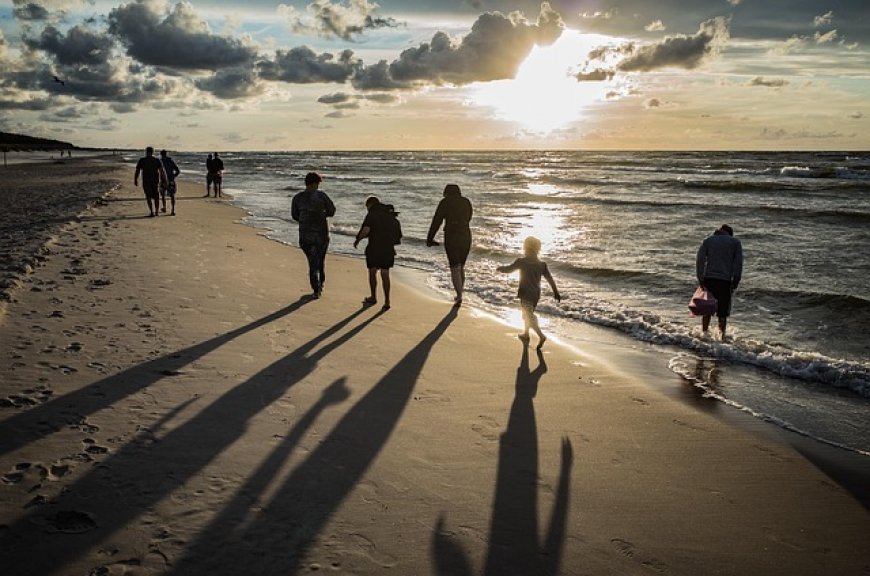
When travel slows down, the body finally catches up.
Slow travel is often described as a mindset — fewer destinations, longer stays, deeper experiences.
But beneath the philosophy lies something more fundamental: slow travel works because it respects the human circadian rhythm.
As travelers struggle with fatigue, jet lag, and burnout, the connection between travel pace and biological rhythm is becoming impossible to ignore.
What the Circadian Rhythm Really Is
The circadian rhythm is the body’s internal clock. It regulates sleep, wakefulness, hormones, digestion, mood, and energy across a roughly 24-hour cycle.
This system evolved in response to natural light and darkness, not flight schedules, notifications, or productivity demands.
When the circadian rhythm is respected, the body functions smoothly. When it is disrupted, fatigue and imbalance follow.
Fast Travel vs. Biological Time
Modern travel moves faster than biology can adapt.
Crossing time zones overnight, sleeping at irregular hours, and filling days with constant stimulation all interfere with circadian alignment.
The body does not “catch up” instantly. It needs time, consistency, and stable cues.
Fast travel removes those cues. Slow travel restores them.
Why Slow Travel Supports Natural Sleep Cycles
Slow travel naturally stabilizes sleep.
Longer stays allow the body to adapt fully to:
- Local daylight patterns
- Consistent meal times
- Regular movement rhythms
- Predictable evenings and mornings
Instead of constantly adjusting, the circadian system settles.
Routine Is Not the Enemy of Travel
One myth about slow travel is that routine kills spontaneity.
In reality, routine creates safety — and safety allows curiosity to emerge.
When sleep is consistent, energy becomes reliable. When energy is reliable, experiences deepen.
Light Exposure: The Hidden Power of Slow Mornings
Circadian rhythm responds primarily to light. Morning daylight anchors the sleep-wake cycle.
Slow travel encourages:
- Morning walks
- Natural wake-up times
- Reduced late-night stimulation
These habits strengthen sleep quality without effort or discipline.
Movement at Human Speed
Slow travel favors walking, local transport, and embodied exploration.
This kind of movement supports circadian regulation by reinforcing the connection between physical activity and daylight.
The body knows when it has moved enough. Slow travel listens.
Why Slow Travel Reduces Stress Hormones
Chronic rushing keeps the body in a stress response.
Slow travel reduces constant decision-making, time pressure, and overstimulation.
As stress hormones decrease, sleep deepens, digestion improves, and mood stabilizes.
Slow Travel and Chronocation
The principles of slow travel align closely with Chronocation .
Chronocation emphasizes alignment — choosing travel patterns that work with the body clock, not against it.
Slow travel becomes a practical expression of circadian awareness.
What Happens When Rhythm Is Respected
- Deeper, more consistent sleep
- Greater emotional balance
- Improved focus and creativity
- Reduced travel fatigue
- Stronger sense of presence
These benefits compound over time.
Slow Travel Is Not About Doing Less
Slow travel is about doing what matters — with energy.
By respecting circadian rhythm, travelers gain endurance, not limitation.
Experiences become richer because the body is no longer resisting the journey.
Conclusion: The Body Was Always Asking for This
Slow travel feels good because it is biologically coherent.
The circadian rhythm does not respond to speed. It responds to consistency.
When travel slows down, sleep improves. When sleep improves, everything else follows.
Slow travel and circadian rhythm are not trends — they are partners.
Learn more about sleep-aligned travel at Chronocation.