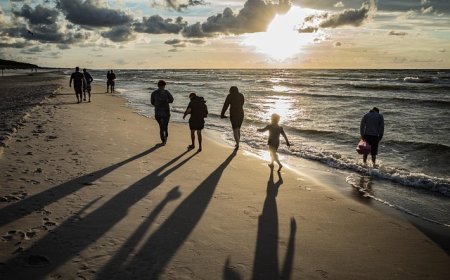
Why Rushing Ruins Travel—and How to Stop
Rushed travel leads to stress and burnout. Learn how unscheduled travel, longer stays, and slower pacing create better, more restorative trips.
 Chronos

Why Rushing Ruins Travel—and How to Stop
It happens all the time: the dream trip that ends up feeling like a checklist. Sunrise hike. Historic site. Local market. Dinner reservation. Bed. Repeat.
You get home needing a vacation from your vacation.
Let’s talk about why rushing ruins travel, what unscheduled travel really means, and how slowing down your trip might be the best travel decision you’ll ever make.
The Hidden Cost of Rushed Travel
Why “Seeing More” Often Means Experiencing Less
Speed-based travel is a legacy of tight schedules and short breaks. But squeezing 12 sights into 2 days doesn’t mean you’ve experienced a place — it means you’ve touched down and moved on.
Travel becomes a blur. Places lose texture. Moments shrink to photo ops.
Stress, Fatigue, and Cognitive Overload
Packing your itinerary full leads to more than tired feet. Studies show that decision fatigue, planning stress, and clock-watching increase when your trip is tightly scheduled.
And let’s be honest — was racing to that 7 a.m. tour worth it?
What Is Unscheduled Travel?
Key Features: Long Stays, Loose Itineraries, Local Immersion
Unscheduled travel isn’t about winging it. It’s about intentional space. It means:
- Staying longer in fewer places
- Leaving gaps in your calendar
- Letting curiosity guide your days
- Giving yourself permission to do less
This style lets you adapt to local rhythms instead of forcing your own.
How It Differs From “Spontaneous” or “Last-Minute” Travel
Unscheduled travel is not the same as spontaneous chaos. You can plan the structure — just leave the minute-by-minute open.
It’s not about being unprepared. It’s about not being over-prepared.
The Psychology of Time on Vacation
Why Rushing Feels Productive (But Isn’t Restorative)
We’re conditioned to equate busyness with value. Even on vacation, we crave a sense of accomplishment. But travel is not a productivity metric — it’s a state of experience.
The Role of Perceived Time Abundance in Well-Being
Research links time affluence with greater happiness, better health, and lower stress. When your trip is crammed full, you lose the freedom to linger, to rest, to notice.
And isn’t that what travel is for?
How Rushing Disrupts Your Rhythm
Constant Clock-Checking and Jet Lag
Fast travel forces your body to shift gears constantly. New time zones, early alarms, late nights, rushed meals — all of it works against your natural rhythm.
Poor Sleep, Disrupted Eating, No Time to Decompress
When your trip runs on a clock, your body doesn’t. Fast travel can lead to:
- Inconsistent sleep patterns
- Poor digestion and irregular meals
- No mental downtime
In short: the opposite of what a holiday should do.
Why Slower Travel Works Better
Train Travel, Off-Season Trips, Digital Detox
Slower travel modes — like trains or off-season shoulder months — give your body and mind more room to breathe. You spend less time waiting in lines and more time being present.
Unscheduled travel also pairs well with digital detoxing. Less screen, more scene.
Better for the Body, Brain, and Local Economies
Beyond personal benefits, unscheduled travel:
- Reduces environmental strain
- Encourages deeper cultural engagement
- Channels money into smaller, often overlooked communities
How to Start Traveling Without a Stopwatch
Plan Less, Stay Longer, Do Fewer Things Better
Pick one or two anchors per destination — then let the rest unfold. Spend more nights in fewer places. Choose quality of presence over quantity of stops.
Slow is not lazy. It’s aware.
Let the Destination Set the Pace
If the village shuts down at noon, take a nap. If the rain derails your day, read in a café. This is the joy of unscheduled travel: you respond to what is, not what was printed in your planner.
Chronocations: Travel Without a Clock
How Time-Free Travel Realigns Your Internal Clock
Chronocations are built around one idea: your time should serve your rhythm, not the other way around. That means:
- No alarms
- No jam-packed days
- No pressure to be anywhere but where you are
Why Unscheduled Travel Is Central to the Chronocation Mindset
To ignore the clock is to reset your relationship with time. And nothing exposes that relationship like travel. A chronocation isn’t just a trip — it’s a way to reclaim your time.
Start your time-free journey on our homepage.
Summary and Next Steps
Fast travel is a trap: it promises more, delivers less, and leaves you exhausted.
Unscheduled travel offers something richer — time to feel where you are, not just check it off. It’s central to the chronocation mindset and essential to any trip that claims to be restorative.
Next steps:
- Cut 30% from your next itinerary
- Choose one longer stay instead of two short ones
- Book your next trip around rhythm, not rush