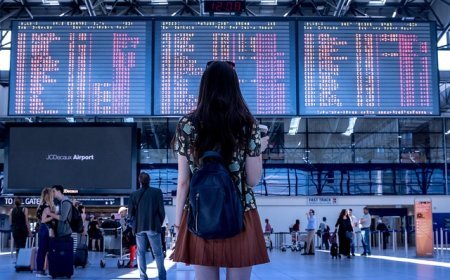
Why Sleep quality Matters for Better Travel and Sleep
Learn how sleep quality influences travel, sleep, and wellbeing. A beginner-friendly guide from Chronocation.com.
 Chronos

The Journey to Restful Adventures: Why Sleep Quality Matters for Better Travel
Better sleep isn’t a luxury — it’s the foundation of meaningful travel.
Traveling is one of life’s greatest joys. It broadens our horizons, introduces us to new cultures, and creates memories that last a lifetime. Yet, one essential factor is often ignored: sleep quality.
From early flights to packed itineraries, travel frequently disrupts our natural rhythm. When sleep suffers, so does energy, mood, and enjoyment. Prioritizing rest is not slowing down — it’s traveling smarter.
The Impact of Sleep on Travel Experiences
Arriving at a destination exhausted can dull even the most breathtaking scenery. Long journeys, time zone shifts, and overstimulation place stress on both body and mind. Without proper sleep, travelers risk missing the essence of exploration.
A Clear Mind for New Adventures
Quality sleep enhances cognitive performance, awareness, and decision-making. Well-rested travelers navigate unfamiliar environments with confidence and curiosity, embracing spontaneous moments that define great journeys.
Emotional Resilience on the Road
Travel naturally brings emotional highs and lows. Adequate sleep stabilizes mood, improves patience, and increases adaptability, allowing travelers to handle delays and surprises with calm confidence.
Physical Energy and Stamina
Sleep repairs the body, strengthens immunity, and restores energy. Whether walking city streets or exploring nature, a well-rested body is ready for adventure without burnout.
Sleep and Travel Enjoyment
Travel is a sensory experience — sights, sounds, tastes, and human connection. Sleep quality directly influences how deeply we perceive and enjoy these moments.
Sharper Sensory Awareness
Rest enhances perception. Colors feel richer, food tastes better, and environments feel more immersive. Sleep allows travelers to remain present instead of merely passing through.
Deeper Human Connections
Well-rested travelers are more approachable, attentive, and empathetic. Sleep improves communication and emotional awareness, enabling authentic connections across cultures.
How to Sleep Better While Traveling
Prepare Before You Go
Maintain consistent sleep routines before departure. Limit screen time, create calming bedtime rituals, and ensure a dark, quiet, cool sleeping environment.
Use Strategic Naps
Short naps can restore alertness and improve mood during long travel days. Listen to your body and rest intentionally.
Protect Your Sleep Hygiene
Avoid caffeine and heavy meals near bedtime. Use eye masks, earplugs, and consistent sleep schedules, especially when crossing time zones.
Create a Sleep-Friendly Space
Choose accommodations with comfort and quiet in mind. Bring familiar items — pillows, scents, or sounds — to recreate a sense of home anywhere.
This guide is part of the broader philosophy behind Chronocation , a travel approach that aligns journeys with sleep quality, circadian rhythm, and overall wellbeing.